
 #All
#AllWhen to Start Using an LED Mask
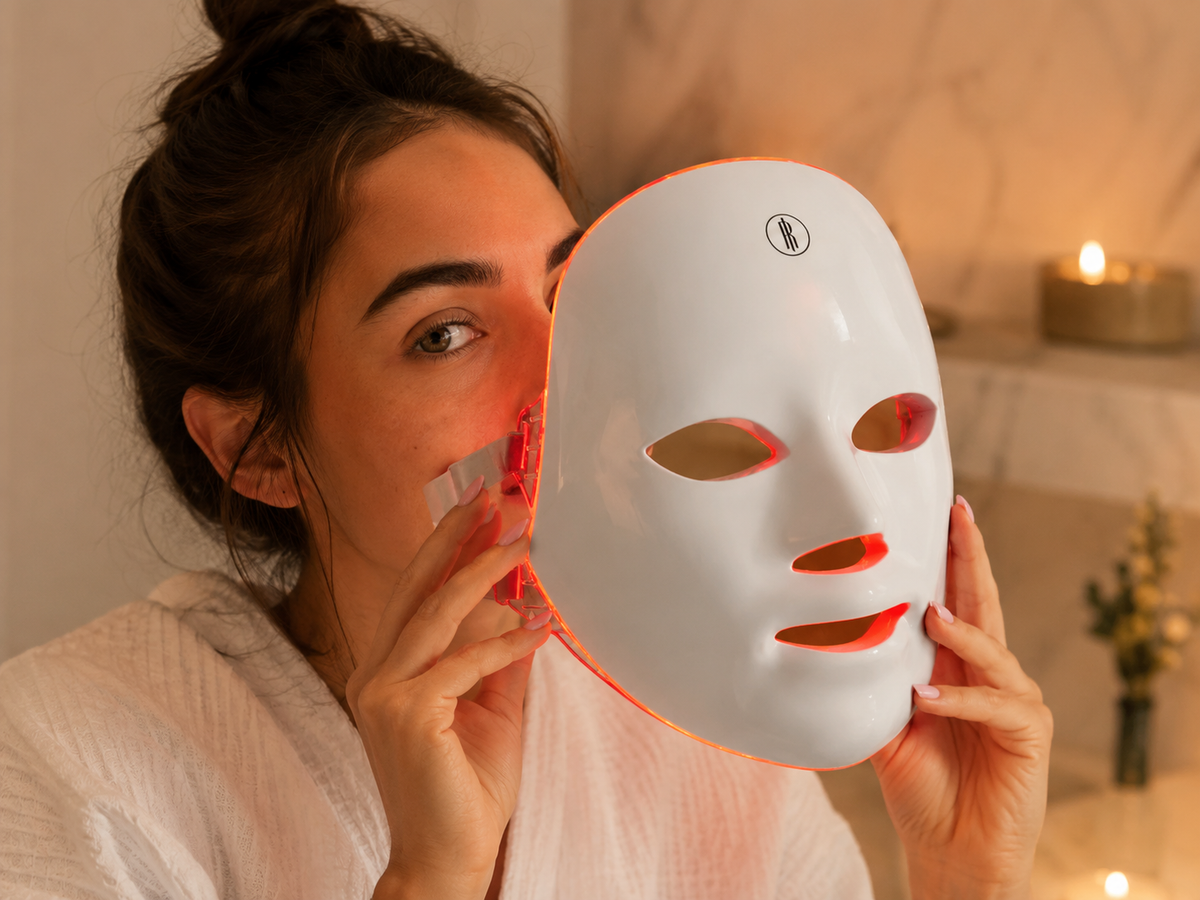
The best time to start using an LED mask is when your skin goals need more than basic skincare alone, whether that means breakouts, dullness, redness, uneven tone, texture, or early signs of aging.
There is no single “right age” to begin. Some people start in their 20s for acne, oiliness, or post-breakout marks. Others start in their 30s or 40s when fine lines, dullness, or uneven tone become more noticeable. The better question is not only how old you are, but what your skin is starting to need.
An LED mask gives your routine a treatment-focused step without making skincare feel more complicated. Used consistently, it can help keep skin looking clearer, calmer, brighter, and more balanced over time.
The Best Time to Start Using an LED Mask
LED masks make the most sense when basic skincare starts to feel incomplete, or when you want a steadier at-home step for visible skin goals. That can apply before concerns become obvious, or once your skin already needs more support for clarity, tone, texture, or visible aging.
Starting early does not mean your skin needs an intense anti-aging routine. It simply means you are adding a device-based step that can work alongside cleanser, moisturizer, SPF, and any skincare products your skin already tolerates.
For some users, LED light therapy makes sense when basic products stop feeling like enough. A moisturizer may help dryness, and a serum may help tone, but an LED mask gives the skin a different kind of support because it uses light exposure instead of another product layer.
The most useful time to begin is when you can use the mask regularly. If the device fits into your week and feels easy to repeat, it has a better chance of becoming a meaningful part of your skincare plan.
Preventive vs Corrective LED Mask Use
People usually start LED mask treatment for one of two reasons: prevention or correction.
Preventive use is about maintaining skin quality before concerns become more obvious. This can include keeping the skin looking fresh, supporting a smoother-looking texture, helping the complexion stay balanced, or adding a more advanced step before fine lines and dullness become a bigger focus.
Corrective use starts when a concern is already visible. This could mean recurring breakouts, redness, uneven tone, post-breakout marks, rough texture, or fine lines that are starting to show around the eyes, forehead, or mouth.
Both approaches are valid. Someone in their 20s may use an LED mask to support clearer-looking skin and prevent the routine from becoming too harsh. Someone in their 40s may use it to support firmness, tone, and smoother-looking skin. The timing depends less on a specific age and more on the skin goal.
A good way to think about it: LED masks give skincare a more proactive structure, so progress does not depend only on adding new products whenever a concern appears.
Which Skin Concerns Can LED Light Therapy Support?
LED light therapy is used for several common skin goals, which is why it can make sense at different ages and stages. The right light mode depends on the device, but many LED masks include settings for concerns like breakouts, redness, dullness, uneven tone, and visible signs of aging.
For breakout-prone skin, LED can add a gentler treatment step without relying only on drying spot treatments or strong actives. This is especially useful when blemishes show up around the chin, jawline, cheeks, or forehead and the skin also feels sensitive or easily irritated.
For dull or tired-looking skin, LED can help the routine feel more treatment-focused. Instead of only applying another brightening serum, the mask gives skin a repeatable light-based step that can support a fresher, healthier-looking glow.
For redness and uneven tone, LED can be useful when the skin looks stressed, blotchy, or marked after blemishes. It does not replace SPF or targeted skincare, but it pairs well with a gentler skincare approach that keeps the skin supported without adding too many active products at once.
For aging concerns, LED masks are often used when fine lines, texture changes, loss of radiance, or uneven tone become more noticeable. The goal is not to create an overnight transformation, but to support visible skin quality with regular use.

LED Masks Across Different Ages
Age can help guide when LED light therapy makes sense, but it should not be the only factor. Two people in the same age group can have completely different skin concerns. One may be focused on acne, while another may care more about dullness, fine lines, or redness.
Still, age-based guidance can be helpful because certain concerns tend to become more common at different stages.
20s: Breakouts, Oiliness and Early Skin Maintenance
In your 20s, an LED mask is often used for breakouts, oiliness, clogged-looking pores, redness, or post-breakout marks. Skin may still be acne-prone, but it may also start reacting badly to harsh treatments, too many actives, or over-exfoliation.
Balance matters most at this stage. Instead of drying out the skin with several aggressive products, LED can add a treatment step that supports clearer-looking skin while keeping the rest of the routine simple.
Early maintenance also matters. Using an LED mask in your 20s can help build a consistent habit before concerns like dullness, uneven texture, or fine lines become more noticeable.
30s: Dullness, Texture and Early Fine Lines
In your 30s, skin often starts showing more signs of stress, tiredness, and unevenness. The complexion may look dull more easily, texture may become more noticeable, and early fine lines can start appearing around the eyes, forehead, or mouth.
Light therapy becomes a useful upgrade here because it can support several goals at once. It fits naturally into a regular skincare plan focused on glow, smoother-looking texture, post-breakout marks, redness, and early aging concerns.
Many people also start feeling in their 30s that basic skincare alone is not doing enough. A mask gives the routine a more advanced step without needing to add several new serums or stronger actives.
40s: Firmness, Tone and Visible Skin Changes
In your 40s, skin changes can become more visible. Fine lines may look deeper, tone may appear less even, and the skin may not look as firm, smooth, or refreshed as it did before.
At this stage, LED treatment can give the routine more structure. The focus is usually smoother-looking texture, healthier radiance, more even tone, and skin that looks better supported over time.
Consistency also becomes especially important in your 40s. Occasional skincare upgrades may help temporarily, but a repeatable treatment step gives the skin steadier support than one-off fixes. LED can work well alongside moisturizer, SPF, and targeted products that support firmness and tone.
50s and Beyond: Long-Term Skin Quality
In your 50s and beyond, LED masks are often used for long-term skin quality. Concerns may include dryness, deeper lines, uneven tone, texture, dullness, and skin that looks less resilient overall.
At this point, the goal is not to make the skin look like it belongs to a different age group. A better goal is healthier-looking skin that appears calmer, brighter, smoother, and more cared for.
A steady light therapy routine can help support long-term skin quality without making skincare feel overly complicated. When paired with gentle skincare, hydration, and daily SPF, it gives the skin a consistent treatment step that can be continued over time.
What First-Time LED Mask Users Should Know
First-time LED mask users should start by keeping the routine simple. The mask usually works best on clean, dry skin, before heavier skincare products are applied. Makeup, sunscreen, oils, and thick creams can sit between the light and the skin, so cleansing first matters.
Follow the device instructions for session length, frequency, and light mode. More time is not automatically better, and using the mask too aggressively can make skincare harder to maintain. For beginners, the best approach is a simple treatment schedule you can repeat comfortably.
It also helps to choose one or two main skin goals at the start. For example, you might focus on breakouts and redness, or glow and early fine lines. Trying to judge every possible skin concern at once can make progress feel harder to track.
The first few uses are mostly about building the habit. Skin may look fresher or calmer early on, but more noticeable changes usually take repeated use. Think of the mask as a steady skincare step, not something you use only when your skin needs a quick reset.
What to Avoid When Starting LED Treatment
Avoid starting LED treatment with an overloaded routine. If you use the mask on the same night as multiple exfoliating acids, strong retinoids, harsh scrubs, or drying spot treatments, it can become harder to tell what is helping and what is irritating the skin.
Do not use the mask over makeup, thick creams, heavy oils, or sunscreen unless the device specifically says otherwise. Clean skin gives the light better access to the treatment area and keeps the process more straightforward.
Another mistake is expecting dramatic results after a few sessions. LED mask treatment works best when it becomes a steady habit. Checking your skin too closely every day can make small improvements harder to notice.
Skipping SPF is another issue, especially if you are using LED as part of a skincare regimen for tone, marks, texture, or aging concerns. Daily sun protection helps preserve the visible progress you are trying to build.
It is also worth avoiding a “more is better” mindset. Use the mask according to the instructions, choose the right light mode for your goals, and give the routine enough time before judging the results.

Choosing an LED Mask That Fits Your Skin Goals
The right LED mask should fit both your skin concerns and your real routine. A device can have strong features, but if it feels uncomfortable, awkward, or hard to use, it becomes easy to skip.
Look for a mask with light modes that match your goals. Blue light is commonly used for breakout-prone skin, while red light is often used for glow, texture, and visible signs of aging. Other colors may be useful for tone, redness, or overall skin balance, depending on the device.
Comfort also matters. The mask should sit properly on the face, feel easy to wear, and be simple enough to use after cleansing. If the setup feels too complicated, consistency becomes harder.
The RegenaLight LED Light Therapy Mask is a strong choice for people who want an at-home LED mask that can support different skin goals in one device. With multiple light settings, it gives users flexibility whether they are focused on breakouts, glow, uneven tone, redness, or overall skin quality.
For first-time LED users, that flexibility matters because the same device can support different goals as the skin changes, instead of forcing the routine to rely on separate tools for every concern.
Verdict: The Right Time Depends on Your Skin
The right time to start using an LED mask is not tied to specific age. It depends on what your skin is showing you and whether LED light therapy fits a real goal, such as breakouts, dullness, uneven tone, redness, texture changes, or visible signs of aging.
For some people, that point comes in their 20s when breakouts, oiliness, or post-breakout marks make basic skincare feel incomplete. For others, it happens later when fine lines, dullness, firmness, or long-term skin quality become more important.
Starting LED treatment does not mean making skincare more complicated. A simple structure is usually enough: cleanse, use the LED mask as directed, moisturize, and apply SPF during the day. Targeted products can still have a place, but the process does not need to become crowded with too many active ingredients.
The clearest answer is this: start when the mask matches a real skin concern and feels easy enough to keep using. At that point, LED light therapy becomes a steady treatment step for clearer, calmer, brighter, and healthier-looking skin at whatever stage you decide to begin.
Related Articles
#All #All
#AllBest Skincare Routine for Women Over 50
Read More #All
#AllWhat Does Blue Light Therapy Do?
Read More #All
#AllHow Often Should You Do Red Light Therapy?
Read More #All
#AllHow to Use Red Light Therapy With Retinol
Read More #All
#AllRed Light Therapy for Wrinkles
Read More #All
#AllLED Light Therapy for the Neck and Chest
Read More #All
#AllDoes Red Light Therapy Work?
Read More #All
#AllRed Light Therapy for Sensitive Skin
Read More #All
#AllLED Light Mask Treatment: A Smarter At-Home Skin Routine
Read More #All
#AllLED Mask Results and Timeline
Read More #All
#AllWhen to Start Using an LED Mask
Read More #All
#AllWhat Causes Dark Circles Under Eyes?
Read More #All
#AllLight Therapy for Adult Acne
Read More#All
Best Red Light Therapy Face Masks in 2026
Read More#All
The 10 Best LED Light Therapy Face Masks for Acne in 2026
Read More#All
The 10 Best Affordable LED Face Masks in 2026
Read More
/
Featured Products
Our most-loved products, hand-picked for you.